
Packaging machinery is important to improve efficiency and product quality. We offer a simple step-by-step approach to finding the best equipment, with detailed examples for brewers.
I. A General Packaging Machinery Guide
Based on the needs of the product and packaging
- Product characteristics: including size, shape, weight, material (such as liquid, powder, solid), etc..
- Packaging forms: such as bags, bottles, boxes, cans, etc..
- Additional features: whether the need for labeling, coding, sealing, boxing, etc..
Determine the production scale and objectives
- Production demand: choose the machine according to the hourly, daily, or monthly production.
- Future Expansion: Select expandable or modular machines to accommodate business growth.
Find the right type of machine
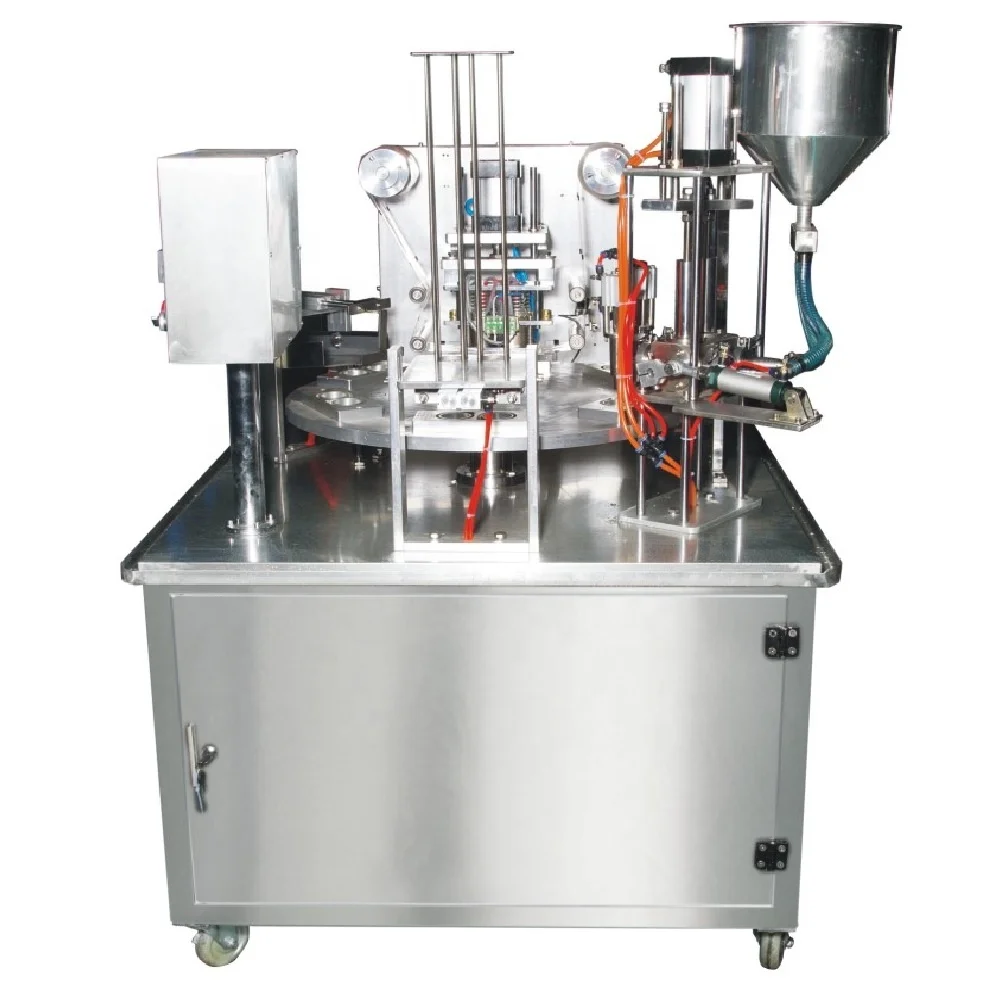
Filling machines are used for liquid, powder, or granular products.- Sealing machines are used to seal bags, bottles, and containers.
- Labeling machines are used to apply labels to packages.
- Wrapping machines are used for cartoning, shrink-wrapping, or stretch-wrapping.
- Combination machines are used to integrate multiple functions such as filling + sealing + labeling.
Evaluate the level of automation
- Manual equipment: suitable for small-scale, low-volume enterprises.
- Semi-automatic equipment: suitable for medium-sized enterprises, requiring some manual intervention.
- Fully-automatic equipment: suitable for large-scale enterprises to realize efficient and continuous production.
Consider equipment characteristics
- Speed: to match the production demand.
- Flexibility: whether it can adapt to a variety of product specifications or packaging forms.
- Ease of use: whether the operation is simple, maintenance is convenient.
- Durability: whether the equipment material and design is reliable.
Budget and Return on Investment
- Initial cost: equipment price.
- Operating costs: energy consumption, labor, maintenance costs.
- Return on Investment (ROI): the time it takes for the machine to pay for itself through improved efficiency.
Choosing a Reliable Supplier
- Industry experience: whether the supplier is familiar with your industry.
- After-sales service: whether it provides installation, training and after-sales support.
- Equipment quality: whether the equipment is durable and reliable.
Testing and Verification
- Equipment Demonstration: Observe the operating effect of the equipment.
- Sample test: Test the equipment performance with actual products and packaging materials.
Compliance and Safety
- Industry standards: Ensure that the equipment complies with relevant certifications (e.g. FDA, CE, ISO).
- Safety design: Whether the equipment is equipped with safety guards.
The specific needs of red wine manufacturers to choose packaging machinery
Special requirements of red wine packaging
- Product characteristics: red wine is a liquid, which needs to be protected against oxidation and breakage, and has high requirements for sealing.
- Packaging form: usually in glass bottles, may also need gift boxes, shrink film or carton packaging.
- Additional functions: labeling, coding, sealing (cork or screw cap) and so on.
Wine packaging machinery selection steps
- Filling machine: choose vacuum filling machine or equal pressure filling machine to ensure filling precision and reduce oxidation.
- Sealing machine: choose corking machine or screw cap sealing machine according to the type of cap.

- Labeling machine: choose automatic labeling machine, support multiple labels (front label, back label, neck label) lamination.
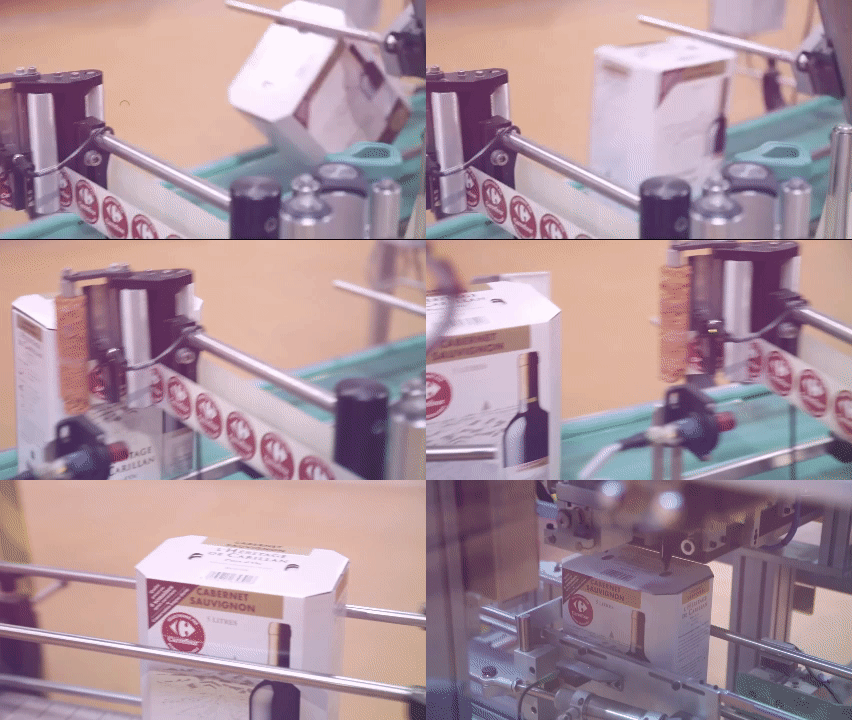
- Packaging machine: choose cartoning machine or shrink packaging machine for gift box or carton packaging.
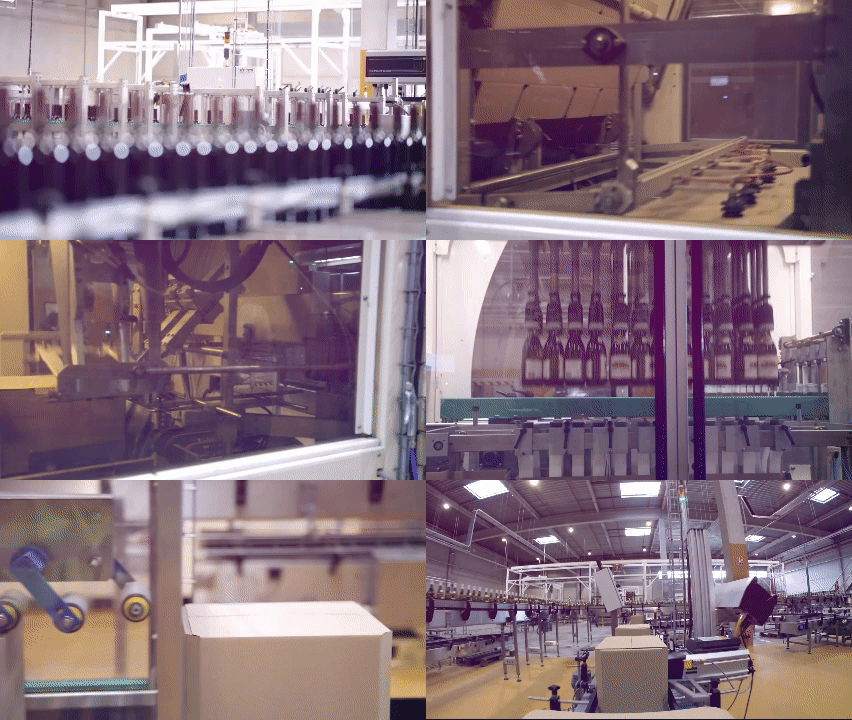
- Coding machine: for printing production date, batch number or two-dimensional code.
Choice of automation level
- Small winery: semi-automatic equipment, e.g. manual filling machine + semi-automatic labeling machine.
- Medium-sized winery: partially automated equipment, such as automatic filling machine + automatic sealing machine + semi-automatic labeling machine.
- Large winery: fully automated packaging line with integrated filling, sealing, labeling, coding and cartoning functions.
Evaluation of equipment characteristics
- Filling accuracy: Ensure that each bottle of red wine is filled with the same amount.
- Sealability: Ensure the bottle mouth is well sealed to prevent oxidation and leakage.
- Label fit: Ensure the labels are flat and bubble-free to enhance the product appearance.
- Flexibility: The equipment should be able to adapt to different bottle types and packaging forms.
- Hygiene standard: the equipment needs to meet food-grade standards and be easy to clean.
Budget and Return on Investment
- Initial cost: Select equipment according to budget, small wineries can start with basic equipment.
- Operating costs: Consider energy consumption, maintenance and labor costs.
- Return on Investment (ROI): Calculate how long it will take for the machine to pay for itself through increased efficiency.
Supplier selection
- Industry experience: Choose a supplier with experience in wine packaging equipment.
- After-sales service: Ensure that the supplier provides installation, training and after-sales support.
- Equipment quality: Choose durable and reliable equipment to minimize downtime.
Testing and validation
- Equipment Demonstration: Observe the operating effect of the equipment.
- Sample test: Test equipment performance with actual red wine bottles and packaging materials.
Compliance and Safety
- Industry standards: Ensure that the equipment complies with the relevant standards of the food industry (e.g. FDA, CE certification).
- Safety design: Choose equipment with safety guards to protect operators.
The Case of Red Wine Manufacturers
Suppose a medium-sized red wine manufacturer has an annual production capacity of 500,000 bottles and plans to expand to 1 million bottles. The following are the steps for its selection of packaging machinery:
- Filling machine: choose a fully automatic vacuum filling machine for 2,000 bottles per hour.
- Capping machine: choose an automatic corking machine for cork and screw caps.
- Labeling machine: choose a full-automatic labeling machine, supporting multi-label lamination.
- Packaging machine: choose a semi-automatic case packer to pack 6 or 12 bottles into gift boxes.
- Coding machine: choose a high-resolution coding machine for printing production dates and batch numbers.
By combining general guidelines with the specific needs of wine manufacturers, you can more fully select the right packaging machinery to improve productivity, safeguard product quality, and set the stage for business growth.

 English
  French
  Spanish
  Portuguese
  Arabic
  German